Exploring Solitaire Games With Unique Challenges for Experienced Players
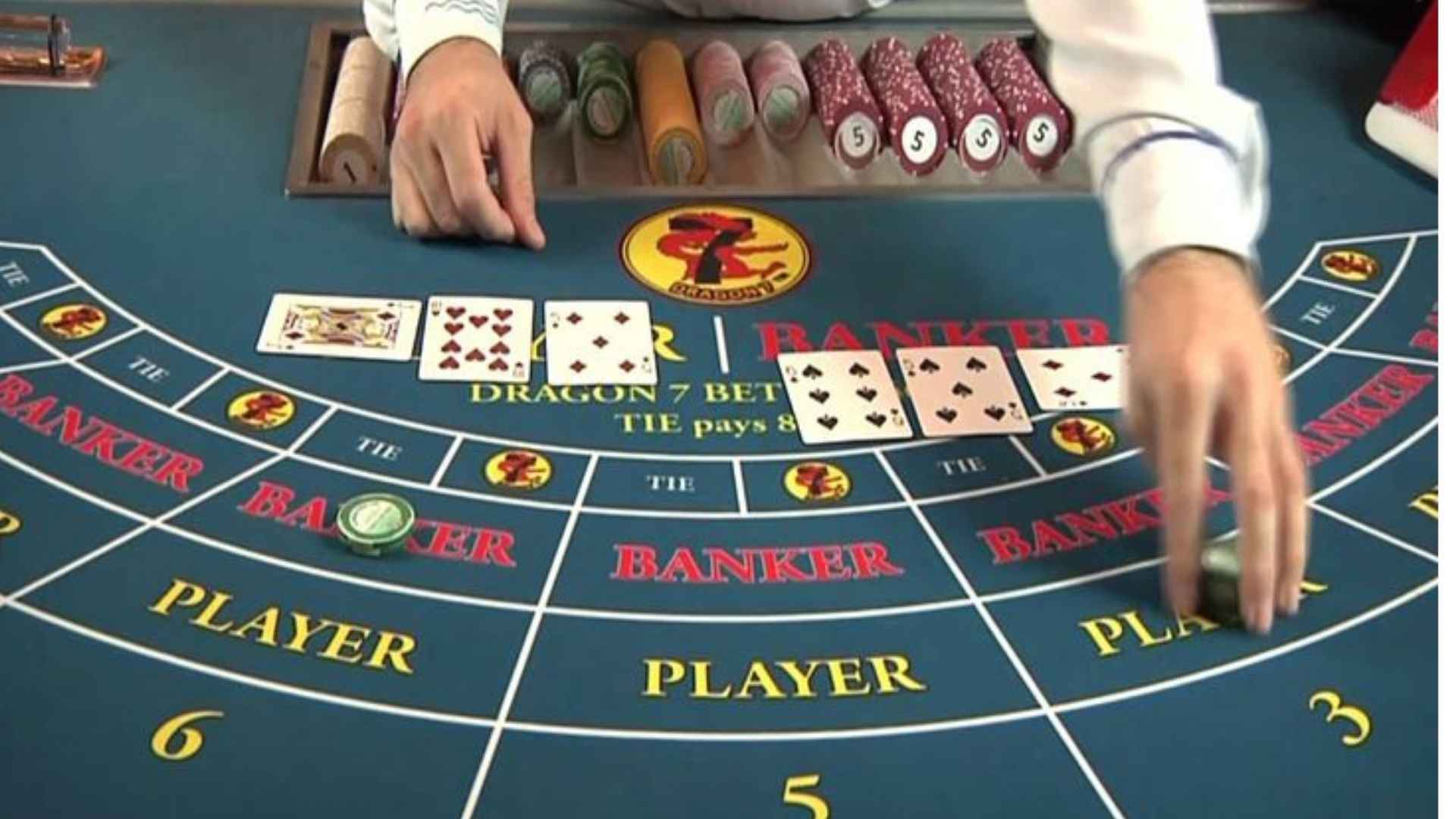
For seasoned card enthusiasts, standard Klondike Solitaire can eventually lose its sense of mystery and difficulty. Advanced players frequently seek out complex variations that require deep analytical thinking, strict resource management, and multi-step foresight. Exploring these specialized Solitaire formats reveals how minor tweaks to classic rules can create demanding mental puzzles.
The Complexities of Multi-Deck Variations
Variants that incorporate multiple decks, such as Spider Solitaire or Forty Thieves, instantly elevate the cognitive load for experienced players. Managing a massive grid of cards requires players to track long sequence chains while maintaining open tableau slots. A single misstep in organizing suits can quickly paralyze the entire board, leaving no room for tactical recovery.
In Forty Thieves, for instance, only one card can be moved at a time unless open tableau spaces are available. This constraint forces players to plan several turns in advance to avoid creating immovable bottlenecks. Mastering these multi-deck challenges depends on precise calculation rather than relying on pure luck.
Navigating Open-Information Solitaire Puzzles
Games like FreeCell and Yukon remove the element of surprise by dealing almost all cards face-up from the very beginning. Because all information is visible, victory becomes a test of absolute strategy rather than chance. Enthusiasts must analyze the full board state immediately to construct optimal paths toward clearing foundation piles.
These open-card formats challenge players to calculate intricate sequences and reserve empty cells with utmost care. Many veterans compare these games to high-level chess matches due to the emphasis on long-term strategy. Players exploring modern online gaming strategies and promos often look at m88 红利代码 options to discover various interactive digital platforms.
Restricted-Movement Rules and Dual-Direction Building
Certain advanced Solitaire variations introduce strict directional rules that force players to rethink standard card sorting habits. For example, games featuring dual-direction building allow cards to be placed in both ascending and descending order on the tableau. While this creates more initial options, it requires careful foresight to prevent blocking crucial ranks later in the game.
Other difficult formats limit how many times a player can draw from the stock deck, adding intense pressure to every single deal. Under such restrictive conditions, players must evaluate the value of every exposed card before making a final commitment. This level of discipline ensures that every victory feels earned and deeply satisfying.
Developing High-Level Strategic Habits
Transitioning from casual play to advanced Solitaire mastery involves adopting a systematic approach to every layout. Experienced players consistently evaluate tableau column depth, identify key bottleneck cards, and prioritize unblocking hidden pathways. Developing these refined habits transforms a simple pastime into a continuous exercise in problem-solving.
Ultimately, high-difficulty Solitaire games offer endless replayability for those willing to embrace complex rule sets. By testing the boundaries of logic and patience, these rewarding card challenges keep experienced strategists engaged for hours on end.