Table Games That Sharpen Strategic Vision
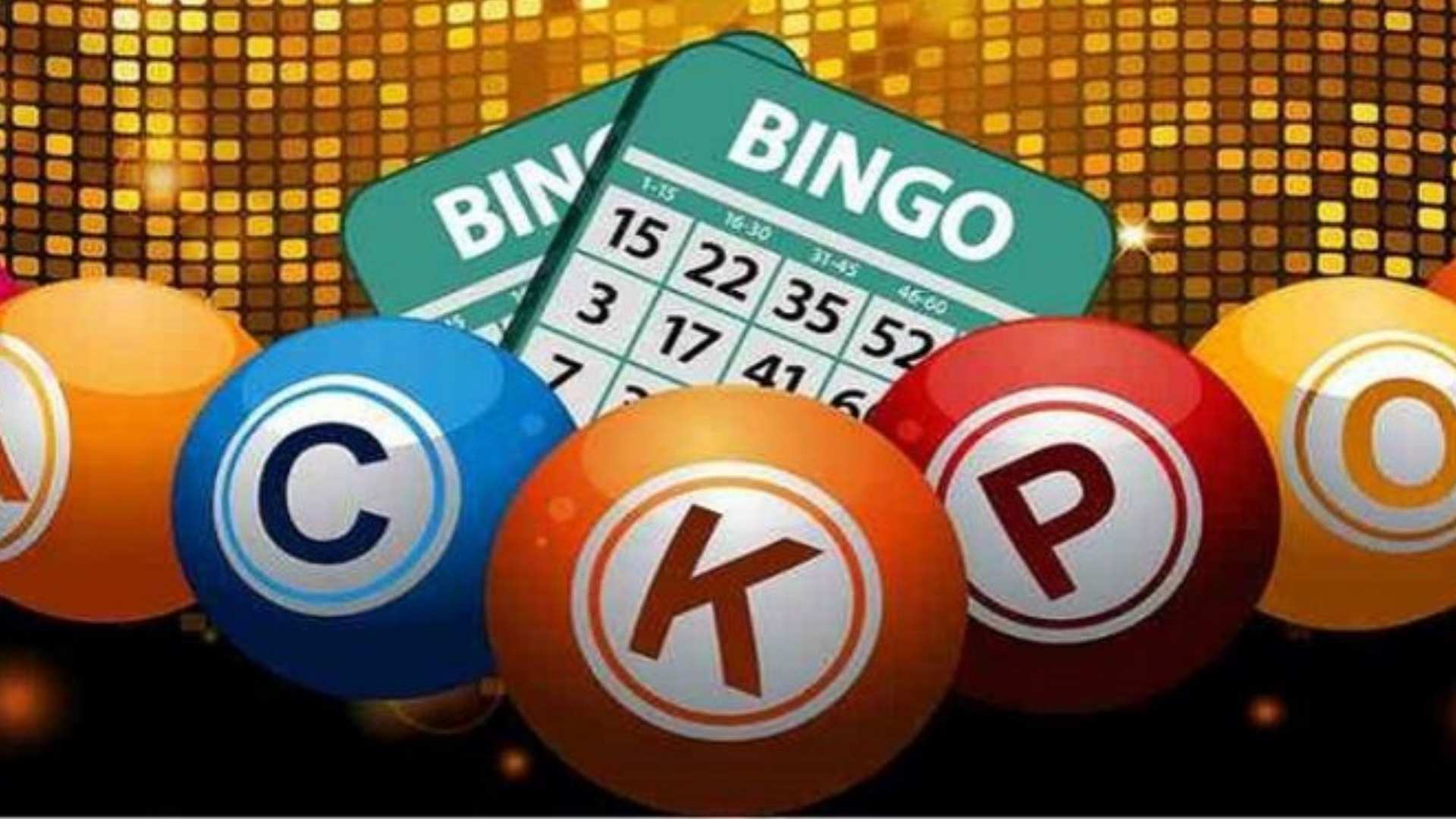
In a world increasingly dominated by fast-paced digital distractions, table games stand out as powerful arenas for intellectual refinement. Far beyond mere entertainment, these experiences demand high-level cognitive engagement, logical analysis, and forward planning. Engaging in traditional tabletop challenges allows players to cultivate a sharper strategic vision that is highly applicable to real-world scenarios.
The Cognitive Foundations of Strategic Play
Tabletop environments act as a sandbox for the mind, forcing players to evaluate risk and manage limited resources in real time. Unlike digital video games that rely on rapid physical reflexes, board and card games prioritize deliberative decision-making. Players must read the state of the table, anticipate opponent behavior, and adjust their plans dynamically based on shifting variables.
By engaging with these structured challenges, individuals learn to resist impulsive decisions and prioritize long-term objectives over short-term gains. This development of impulse control and sustained focus directly contributes to a more resilient, analytical mindset. Over time, players find themselves formulating clearer goals and demonstrating greater flexibility when faced with unexpected obstacles.
Cultivating Foresight Through Classic Card Games
Many classic card games provide the perfect training ground for mastering probability and reading human behavior. Success in these environments is rarely about the luck of the draw; rather, it hinges on how effectively you leverage information. Experienced players learn to calculate outcomes and make calculated moves that maximize their advantage while mitigating potential losses.
These games teach the invaluable lesson that every small tactical decision contributes to a much larger overarching strategy. If you are looking to test your analytical capabilities in a dynamic setting, exploring platforms like M88 indonesia can offer a variety of classic options. Practicing these skills in a structured environment helps refine your ability to read table dynamics and make highly informed choices.
Enhancing Problem-Solving with Modern Board Games
The modern board gaming landscape has evolved to offer highly sophisticated systems that challenge player coordination and resource allocation. European-style strategy games, in particular, require players to build efficient engines and manage complex supply chains. This style of play shifts the focus away from direct conflict toward optimization, planning, and tactical efficiency.
As players navigate these intricate systems, they develop a systemic understanding of how individual components interact with one another. This holistic perspective is directly transferable to professional environments, where project management and resource coordination are vital. Ultimately, tabletop gaming serves as a practical, engaging method to sharpen the foresight required for complex real-world situations.