Tag: Casual Games
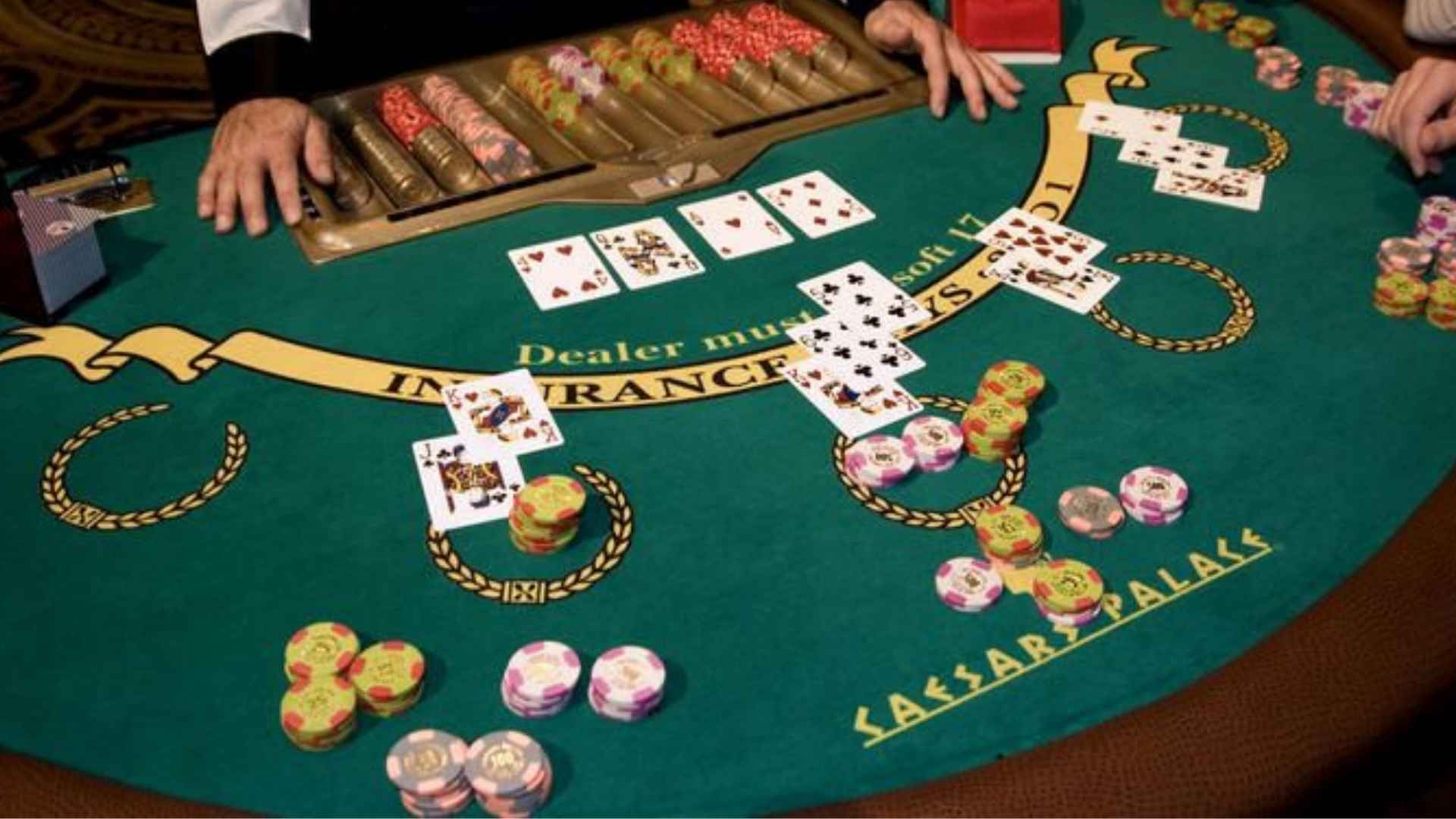
Solitaire Games Every Puzzle Fan Should Try
For many people, solitaire is simply a quick way to pass the time when they have a few spare minutes on their computers or phones. However, deep within the family of single-player card games lie deep strategic puzzles that offer an incredible mental workout. If you enjoy solving complex problems, recognizing patterns, and thinking several moves ahead, certain solitaire variations will easily capture your attention.
The Mathematical Allure of FreeCell
Unlike other versions of the game that rely heavily on the luck of the draw, FreeCell is a puzzle of near-perfect information. Almost every single deal can be solved if you make the right sequence of moves and manage your open cells with extreme care. This setup makes it highly appealing to analytical minds who prefer skill and logic over random card shuffling.
The key challenge lies in keeping as many temporary storage spaces empty as possible during the early phases of play. Having fewer open slots reduces your mobility, meaning one wrong card placement can completely block your path to victory. It requires deep planning and patience to untangle the messy columns and guide every suit safely to the foundations.
The Multi-Deck Challenge of Spider Solitaire
If standard layouts feel too straightforward, Spider Solitaire elevates the puzzle complexity by introducing multiple decks of cards. Players must arrange complete sequences of a single suit from King down to Ace before they can be cleared from the tableau. The difficulty increases dramatically as you move from playing with one suit to the incredibly challenging four-suit version.
Successfully managing this layout requires a combination of tactical card packing and temporary space management. Puzzle lovers often search for online gaming communities, such as platforms linked with M88 indonesia, to explore advanced card strategies and find fresh challenges. Mastering this variation is widely considered a true badge of honor among digital card gaming enthusiasts.
Why Puzzle Enthusiasts Keep Coming Back
The beauty of these solo card puzzles is that they offer immediate feedback on your decision-making processes. Every move you make either opens up new possibilities on the board or slowly restricts your remaining options. This constant cycle of action and consequence helps players build stronger spatial awareness and logical deduction skills over time.
Furthermore, digital platforms have introduced useful tools like unlimited undo options and smart hints that encourage experimentation. Instead of feeling frustrated when you reach a dead end, you can easily backtrack and try a completely different approach. This trial-and-error gameplay makes solitaire a highly rewarding, stress-free experience for anyone who loves a good brain teaser.
Table Games That Sharpen Strategic Vision
In a world increasingly dominated by fast-paced digital distractions, table games stand out as powerful arenas for intellectual refinement. Far beyond mere entertainment, these experiences demand high-level cognitive engagement, logical analysis, and forward planning. Engaging in traditional tabletop challenges allows players to cultivate a sharper strategic vision that is highly applicable to real-world scenarios.
The Cognitive Foundations of Strategic Play
Tabletop environments act as a sandbox for the mind, forcing players to evaluate risk and manage limited resources in real time. Unlike digital video games that rely on rapid physical reflexes, board and card games prioritize deliberative decision-making. Players must read the state of the table, anticipate opponent behavior, and adjust their plans dynamically based on shifting variables.
By engaging with these structured challenges, individuals learn to resist impulsive decisions and prioritize long-term objectives over short-term gains. This development of impulse control and sustained focus directly contributes to a more resilient, analytical mindset. Over time, players find themselves formulating clearer goals and demonstrating greater flexibility when faced with unexpected obstacles.
Cultivating Foresight Through Classic Card Games
Many classic card games provide the perfect training ground for mastering probability and reading human behavior. Success in these environments is rarely about the luck of the draw; rather, it hinges on how effectively you leverage information. Experienced players learn to calculate outcomes and make calculated moves that maximize their advantage while mitigating potential losses.
These games teach the invaluable lesson that every small tactical decision contributes to a much larger overarching strategy. If you are looking to test your analytical capabilities in a dynamic setting, exploring platforms like M88 indonesia can offer a variety of classic options. Practicing these skills in a structured environment helps refine your ability to read table dynamics and make highly informed choices.
Enhancing Problem-Solving with Modern Board Games
The modern board gaming landscape has evolved to offer highly sophisticated systems that challenge player coordination and resource allocation. European-style strategy games, in particular, require players to build efficient engines and manage complex supply chains. This style of play shifts the focus away from direct conflict toward optimization, planning, and tactical efficiency.
As players navigate these intricate systems, they develop a systemic understanding of how individual components interact with one another. This holistic perspective is directly transferable to professional environments, where project management and resource coordination are vital. Ultimately, tabletop gaming serves as a practical, engaging method to sharpen the foresight required for complex real-world situations.